In-Office Retina Treatments
In this Page
Intravitreal Injections
An intravitreal injection is a medication delivered directly into the eye — one of the most effective tools available for preserving vision in a range of retinal conditions. Before any injection, the eye is carefully cleaned and numbed. The needle is very fine, and most patients describe a sensation of mild pressure rather than pain; the procedure itself takes only a few seconds.
Depending on your condition, injections may be needed on an ongoing schedule, and your doctor will explain the recommended frequency. Mild irritation or a temporary scratchy feeling afterward is common and typically resolves quickly — serious complications are uncommon, but your doctor will review warning signs and follow-up care with you.
Anti-VEGF Injections
For wet AMD, diabetic macular edema, and retinal vein occlusion, we offer anti-VEGF medications including Lucentis, Eylea, and Vabysmo. These medications block a protein called VEGF that causes abnormal blood vessels to grow and leak in the retina. Your doctor will recommend the medication best suited to your specific condition.
Izervay
For geographic atrophy (an advanced form of dry AMD where areas of the retina break down and stop working), we offer Izervay, a medication designed to slow further vision loss.
Ozurdex
Ozurdex is a corticosteroid implant, not an anti-VEGF injection. It’s used to reduce inflammation and swelling in certain retinal conditions and works differently from the medications above. Your doctor will explain whether it’s an appropriate option for your case.
Laser Treatments
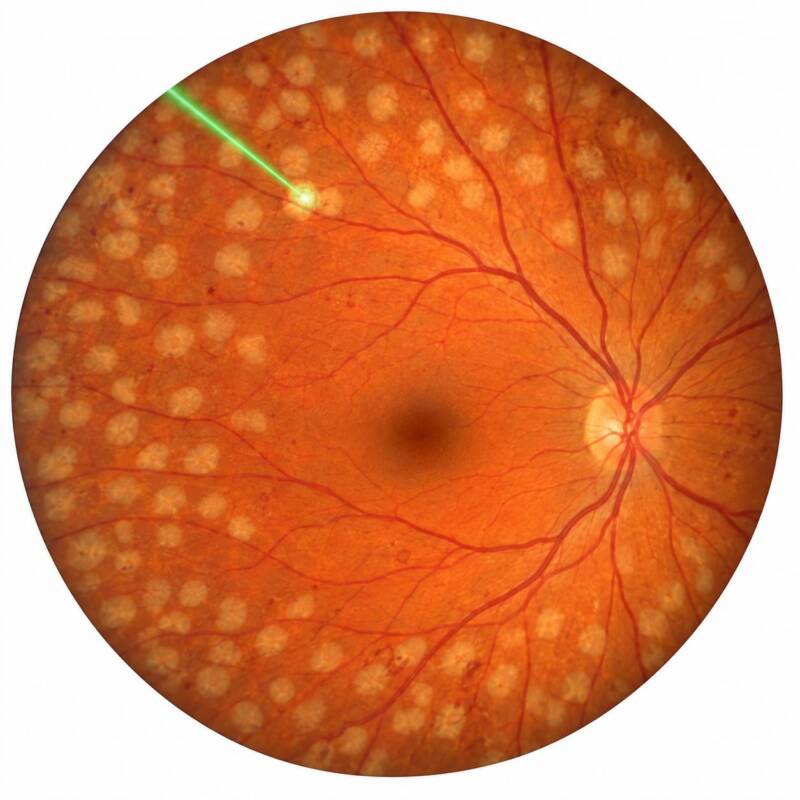
Laser therapy is used to treat a range of retinal conditions, including retinal tears, diabetic eye disease, and certain vascular abnormalities. Most procedures are performed in the office using numbing drops and take only a short time to complete. The specific type of laser used depends on your condition.
Common approaches include:

Retinal Photocoagulation Surgery
Creates small, controlled spots on the retina to seal tears, reduce abnormal vessel growth, or limit fluid leakage. Used in retinal tears, diabetic retinopathy, and some vascular conditions.
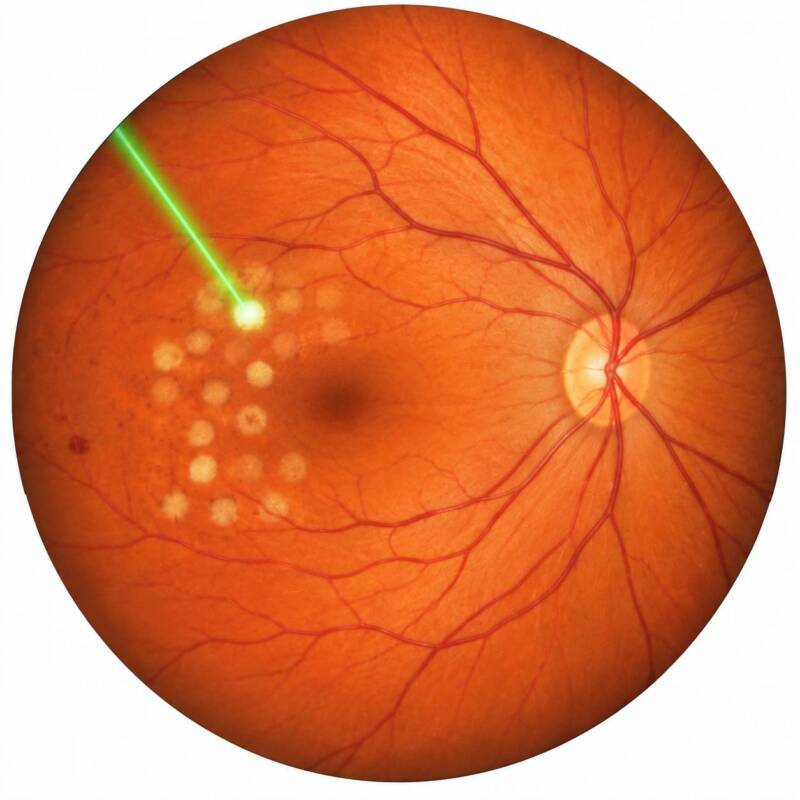
Focal and Grid Laser
Precisely targets leaking blood vessels in or around the macula to reduce swelling, particularly in diabetic macular edema and retinal vein occlusion.
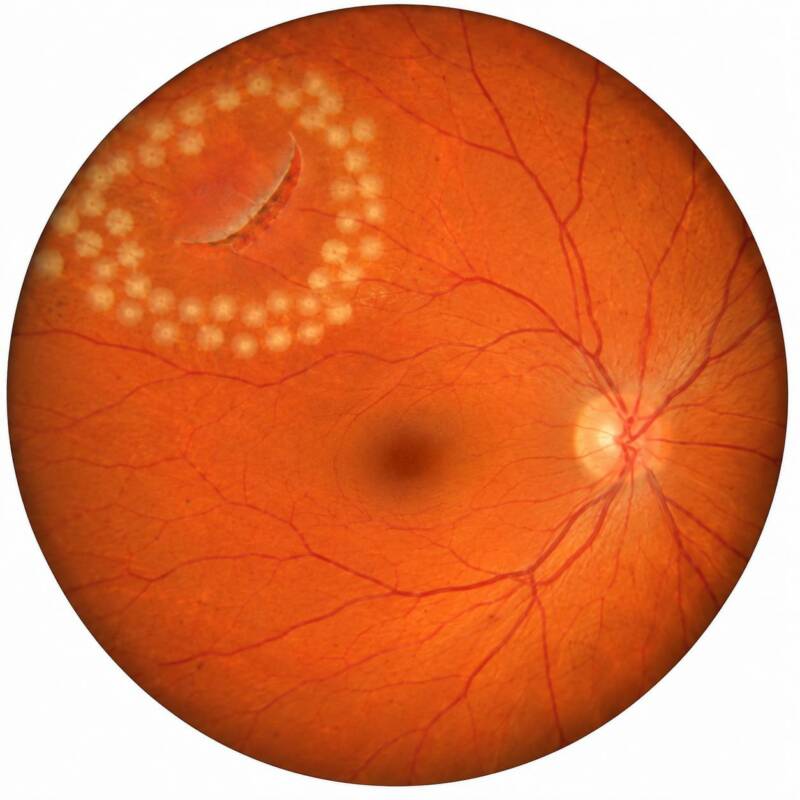
Laser Retinopexy
Used to treat retinal tears or small detachments by bonding the retina back to the underlying tissue, helping prevent further detachment.
In most cases, the goal of laser treatment is to stabilize the retina and prevent further vision loss — not necessarily to restore vision already affected. Your specialist will explain what outcome is realistic for your condition and whether other treatment options should be considered alongside or instead of laser.
Have questions about your treatment options?
Our retina specialists are available for both new patient consultations and ongoing care.