
Oculoplastic Surgery
Oculoplastic surgery treats conditions of the eyelids, the eye socket (orbit), the tear drainage system, and the face surrounding the eyes. Care ranges from cosmetic and reconstructive surgery to non-surgical treatments, with each one planned around both the appearance and the health of your eyes.
Interested in eyelid, facial, or aesthetic treatment?
Our oculoplastic surgeon will review your goals and recommend the right approach.
Treatments
Cosmetic
- Eyelid surgery (blepharoplasty). Removes or repositions excess skin and fat in the upper or lower eyelids.
- Brow lift. Raises a low brow or forehead, which can make the upper eyelids appear heavier.
- Midface lift. Lifts the cheeks to reduce hollowing beneath the eyes.
Reconstructive
- Drooping eyelids. Excess upper eyelid skin (dermatochalasis) or a low eyelid position (ptosis) can block vision. Surgery may be covered by insurance when medically necessary.
- Thyroid eye disease. Treats eye bulging, eyelid retraction, and double vision associated with thyroid conditions such as Graves’ disease.
- Eyelid malposition. Entropion (inward-turning eyelid) and ectropion (outward-turning eyelid) can irritate or expose the eye. Surgery restores the eyelid to its normal position.
- Eyelid lesions and skin cancer. Includes reconstruction following Mohs surgery.
- Tearing and blocked tear ducts. Includes dacryocystorhinostomy (DCR), a procedure that creates a new drainage pathway for tears.
- Orbital conditions. Includes tumors and fractures of the eye socket.
- Facial nerve palsy. When facial weakness prevents the eye from closing fully, surgery can help protect the eye’s surface.
- Eyelid spasms. Blepharospasm and hemifacial spasm may be treated with Botox injections.
- Enucleation. Removal of a blind, painful, or severely injured eye may be recommended. An orbital implant and custom prosthesis can restore a natural appearance.
Facial Rejuvenation
- Botox. Relaxes the muscles that cause forehead lines, frown lines, and crow’s feet. Results typically last three to four months.
- Hyaluronic acid fillers. Restore volume to the cheeks, under-eye area, and around the mouth, using Juvéderm fillers.
- Cosmetic IPL. Reduces facial redness, visible blood vessels, and sun spots with light-based treatment. Uses the same technology OptiLight for dry eye.
- ResurFX. Improves fine lines and skin texture with a non-ablative laser and minimal downtime.
- Eyelid surgery (blepharoplasty). Removes or repositions excess skin and fat in the upper or lower eyelids.
- Brow lift. Raises a low brow or forehead, which can make the upper eyelids appear heavier.
- Midface lift. Lifts the cheeks to reduce hollowing beneath the eyes.
- Drooping eyelids. Excess upper eyelid skin (dermatochalasis) or a low eyelid position (ptosis) can block vision. Surgery may be covered by insurance when medically necessary.
- Thyroid eye disease. Treats eye bulging, eyelid retraction, and double vision associated with thyroid conditions such as Graves’ disease.
- Eyelid malposition. Entropion (inward-turning eyelid) and ectropion (outward-turning eyelid) can irritate or expose the eye. Surgery restores the eyelid to its normal position.
- Eyelid lesions and skin cancer. Includes reconstruction following Mohs surgery.
- Tearing and blocked tear ducts. Includes dacryocystorhinostomy (DCR), a procedure that creates a new drainage pathway for tears.
- Orbital conditions. Includes tumors and fractures of the eye socket.
- Facial nerve palsy. When facial weakness prevents the eye from closing fully, surgery can help protect the eye’s surface.
- Eyelid spasms. Blepharospasm and hemifacial spasm may be treated with Botox injections.
- Enucleation. Removal of a blind, painful, or severely injured eye may be recommended. An orbital implant and custom prosthesis can restore a natural appearance.
- Botox. Relaxes the muscles that cause forehead lines, frown lines, and crow’s feet. Results typically last three to four months.
- Hyaluronic acid fillers. Restore volume to the cheeks, under-eye area, and around the mouth, using Juvéderm fillers.
- Cosmetic IPL. Reduces facial redness, visible blood vessels, and sun spots with light-based treatment. Uses the same technology OptiLight for dry eye.
- ResurFX. Improves fine lines and skin texture with a non-ablative laser and minimal downtime.
Why Choose an Oculoplastic Surgeon?
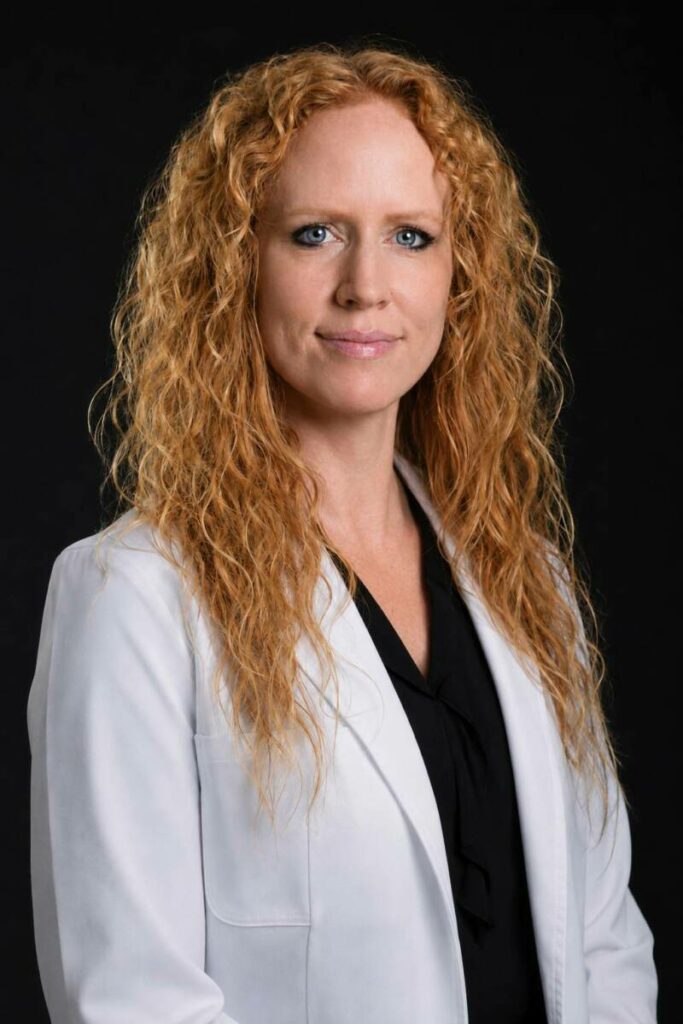
The eyelids protect the eye, spread tears across its surface, and close fully during sleep. Surgery that removes too much skin or changes the position of the lower lid can leave the eye dry, irritated, or unable to close completely. Our oculoplastic surgeon is an ophthalmologist first, with additional fellowship training in this specialty, so each procedure is planned to improve the appearance of the eyelids and face while protecting how the eyes function.
The same training applies beyond the eyelids. Thyroid eye disease, blocked tear ducts, and orbital fractures all affect the structures that support the eye, and treating them safely depends on understanding how each one affects vision. From your first visit through recovery, the same surgeon oversees your care, whether your treatment is cosmetic, reconstructive, or both.
Cost and Insurance
Reconstructive procedures are often covered by insurance when they treat a medical condition, such as eyelids that obstruct vision. Cosmetic surgery and facial rejuvenation treatments are not covered by insurance. Learn more about financing with CareCredit.
Schedule an oculoplastic consultation
Our surgeon will review your goals and let you know whether insurance may cover your treatment.