Retina & Diabetic Retinopathy
Pacific Eye Associates offers comprehensive retinal care for patients with a range of retinal conditions. Our retina specialists provide both medical and surgical management of retinal disease, including in-office treatments and procedures.
Supporting vision through early detection & expert care.
Early detection helps manage retinal conditions.
In this Page
What Is the Retina?
The retina is a thin layer of light-sensitive cells lining the back of the eye. When light enters the eye, it passes through the clear, gel-like substance that fills the eye’s interior (vitreous) before reaching the retina. The retina then converts that light into signals that travel to the brain through the optic nerve, allowing us to see.
Conditions We Treat

Age-Related Macular Degeneration (AMD)
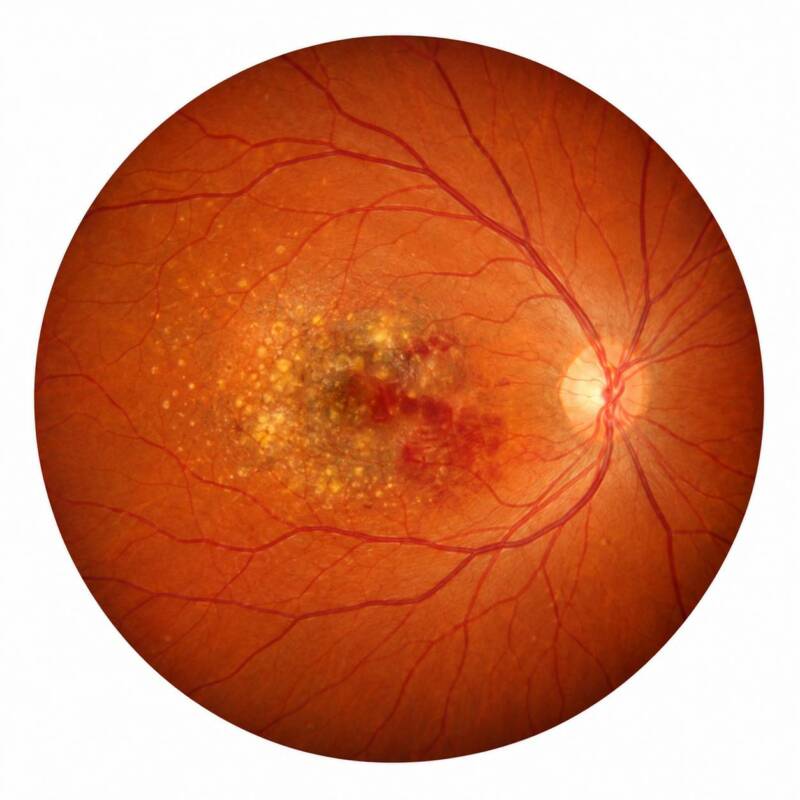
AMD gradually damages the macula, the central part of the retina responsible for sharp, detailed vision. It comes in two forms:
Dry AMD is more common and progresses slowly as small deposits called drusen build up beneath the retina. Wet AMD is less common but can progress quickly. Abnormal blood vessels grow beneath the retina and leak fluid, causing sudden changes in vision.
Diabetic Retinopathy
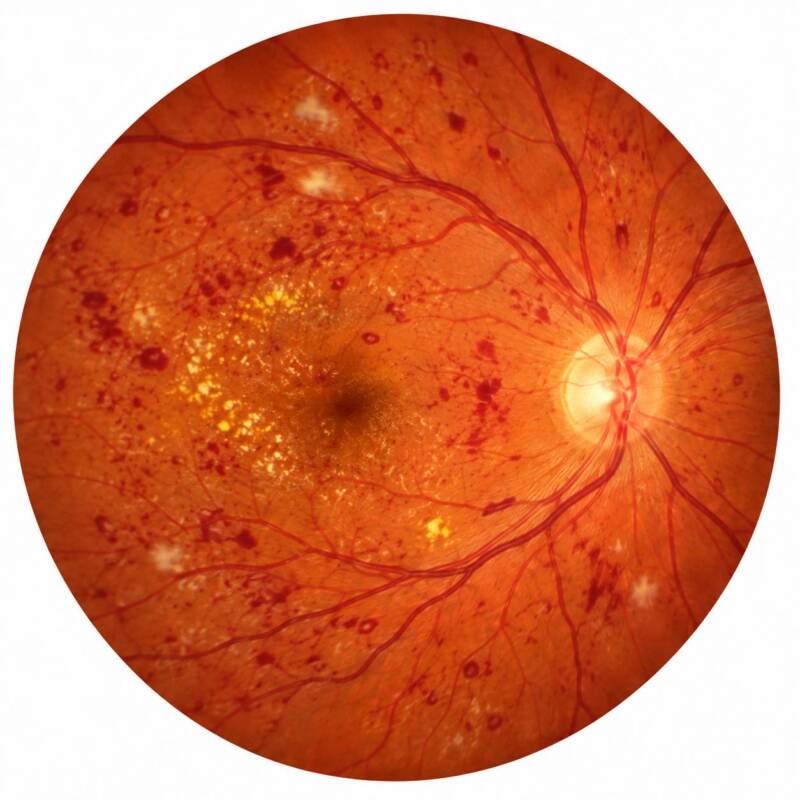
Diabetic retinopathy is a complication of diabetes that damages blood vessels in the retina. Over time, high blood sugar can cause these vessels to swell, leak, or close off, and abnormal new vessels may grow. Early stages often have no symptoms, so regular eye exams matter for people with diabetes.
Retinal Detachment / Retinal Tear
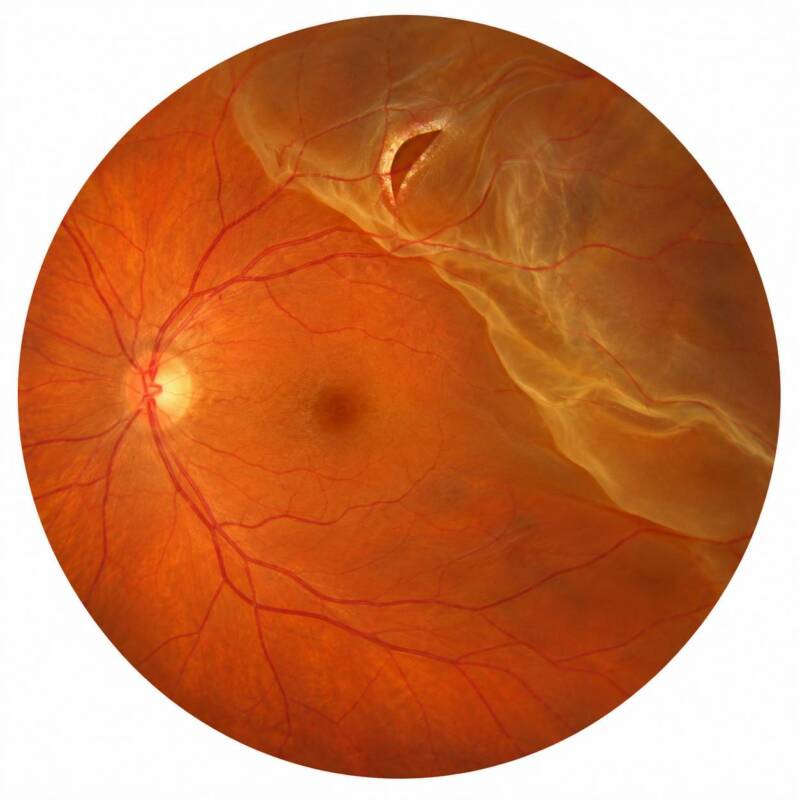
The vitreous, the gel that fills the eye, can shrink with age and pull on the retina, sometimes causing a tear. If fluid passes through the tear and lifts the retina away, it becomes a detachment. A retinal detachment needs prompt care.
Common signs include a sudden increase in floaters, flashes of light, or a shadow across part of your vision.
Macular Pucker / Macular Hole
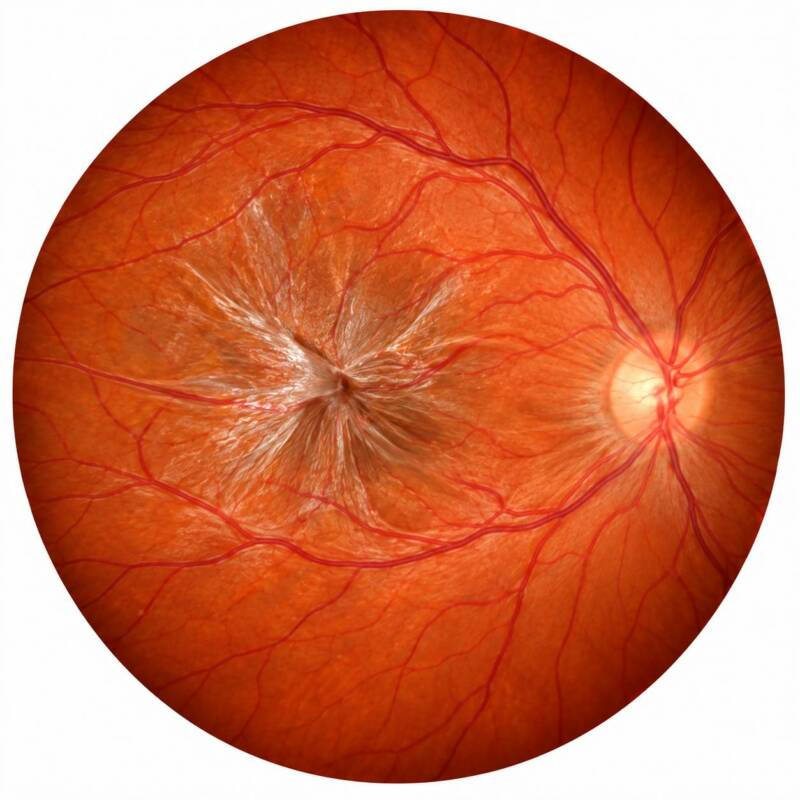
Age-related changes in the vitreous can cause scar tissue to form on the macula (macular pucker) or a small break in its center (macular hole). Both can make central vision blurry or distorted, and straight lines may look wavy.

Symptoms to Watch For
Seek Care Right Away
These symptoms can indicate retinal detachment and require prompt evaluation. Call our office immediately at (415) 923-3007, or call 911 during after hours or if you can’t reach us.

Sudden Floaters

Flashes of Light

Dark Curtaining
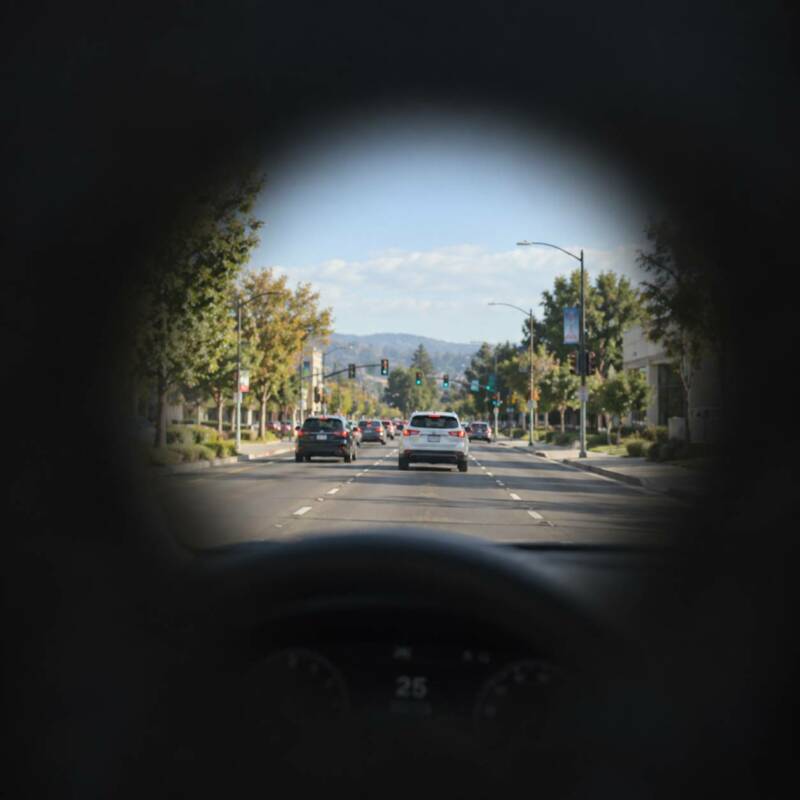
Loss of Peripheral Vision

Other Changes Worth an Exam
These can develop gradually with conditions like AMD or diabetic retinopathy. If any of them come on suddenly, call us promptly.

Blurred Vision

Fuzzy Central Vision

Dark Blind Spots

Distortion of straight lines

Difficulty of distinguishing colors

Treatment
Treatment depends on your condition and how far it has progressed. Many retinal conditions are treated in our office with injections or laser, and some need surgery.
Office Treatments
- VALEDA® Light Therapy is a non-invasive treatment option that uses a series of low-level light sessions to improve vision in candidates with dry AMD
- Anti-VEGF injections block a protein that causes abnormal blood vessels to grow and leak in the retina. They’re used for wet AMD, diabetic macular edema, and retinal vein occlusion.
- Complement inhibitor injections slow the growth of damaged areas in geographic atrophy, an advanced form of dry AMD. They don’t restore vision that has already been lost.
- Corticosteroid implants slowly release a steroid inside the eye to reduce swelling and inflammation in the retina.
- Laser treatment can also be done in our office with numbing drops:
- Panretinal photocoagulation (PRP) treats the outer areas of the retina to stop abnormal blood vessel growth, most often in diabetic retinopathy.
- Focal and grid laser targets leaking blood vessels near the macula to reduce swelling.
- Laser retinopexy seals retinal tears to help prevent a retinal detachment.
Outpatient Procedures
- Vitrectomy is surgery that removes the gel inside the eye to repair more complex problems, including retinal detachment, macular holes, and vitreous hemorrhage.
- VALEDA® Light Therapy is a non-invasive treatment option that uses a series of low-level light sessions to improve vision in candidates with dry AMD
- Anti-VEGF injections block a protein that causes abnormal blood vessels to grow and leak in the retina. They’re used for wet AMD, diabetic macular edema, and retinal vein occlusion.
- Complement inhibitor injections slow the growth of damaged areas in geographic atrophy, an advanced form of dry AMD. They don’t restore vision that has already been lost.
- Corticosteroid implants slowly release a steroid inside the eye to reduce swelling and inflammation in the retina.
- Laser treatment can also be done in our office with numbing drops:
- Panretinal photocoagulation (PRP) treats the outer areas of the retina to stop abnormal blood vessel growth, most often in diabetic retinopathy.
- Focal and grid laser targets leaking blood vessels near the macula to reduce swelling.
- Laser retinopexy seals retinal tears to help prevent a retinal detachment.
- Vitrectomy is surgery that removes the gel inside the eye to repair more complex problems, including retinal detachment, macular holes, and vitreous hemorrhage.
Have questions or ready to schedule?
Our retina specialists are available for both new patient consultations and ongoing care.
Meet Our Retina Specialists
Our surgeons combine advanced training with a patient-first approach, taking the time to understand your vision goals and guide you through your options with clarity and care.
Our Approach to Retinal Care
Retinal conditions are often progressive and typically require ongoing monitoring rather than a single treatment. Our specialists tailor evaluation and treatment to each patient’s clinical findings and risk factors.
If you have a family history of retinal disease or notice any changes in your vision, it’s worth scheduling an evaluation — regular dilated eye exams are recommended even without symptoms.