
Skip to content
Pacific Eye Associates

LASIK & Refractive Surgery in San Francisco
Pacific Eye Associates offers LASIK and other refractive procedures for patients who want to rely less on glasses or contact lenses. Our fellowship-trained cornea specialists perform LASIK, PRK, refractive lens exchange (RLE), implantable collamer lens (ICL) surgery, and limbal relaxing incisions (LRI).

Not every procedure is right for every eye. At your consultation, we’ll tell you which ones you qualify for, if any, and why.

See if you're a candidate

Take the LASIK self-test, or schedule a consultation with our surgeons.

In this Page

Procedures We Offer

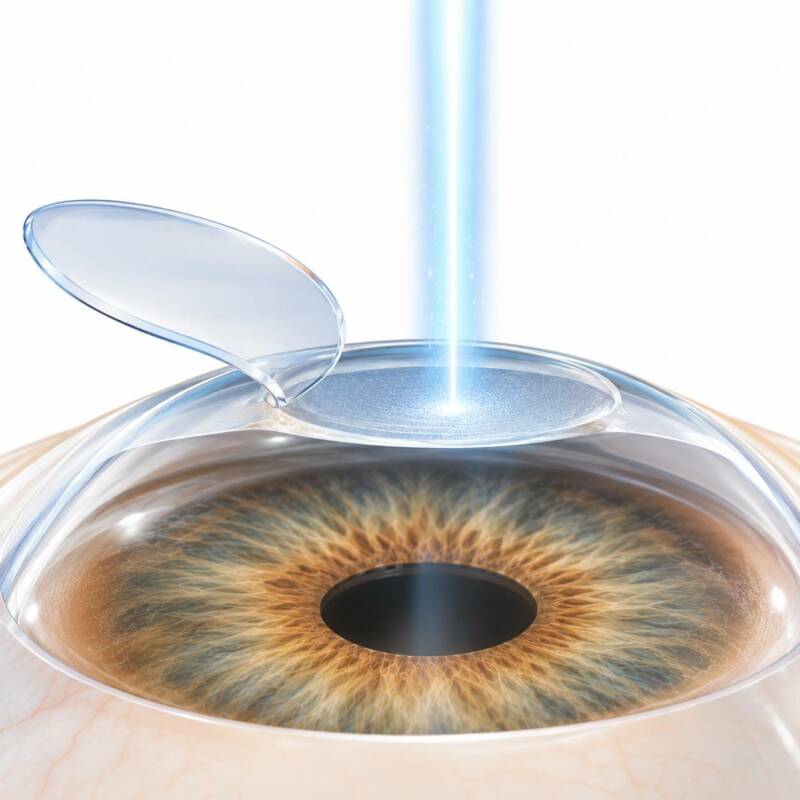
LASIK Surgery Illustration

LASIK (Laser-Assisted In Situ Keratomileusis)

The most common vision correction procedure. A laser creates a thin flap in the cornea, a second laser reshapes the tissue underneath, and the flap is laid back down. Most people see clearly the next day.
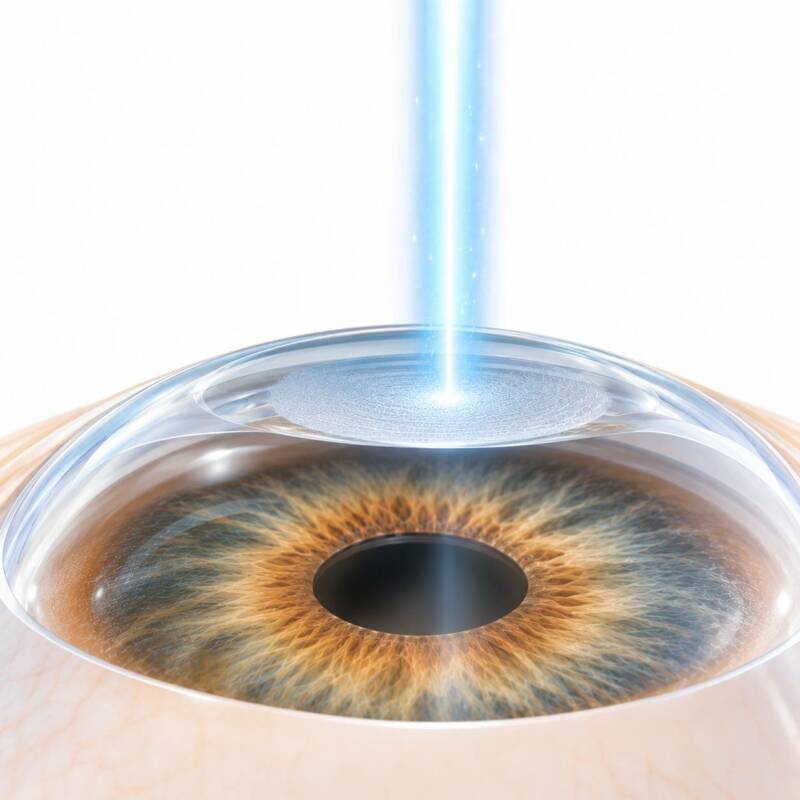
PRK Laser Surgery

PRK (Photorefractive Keratectomy)

Reshapes the cornea like LASIK, but without a flap. The outer layer is removed and grows back, so recovery takes longer. Often a better fit for thinner corneas or people in contact sports.
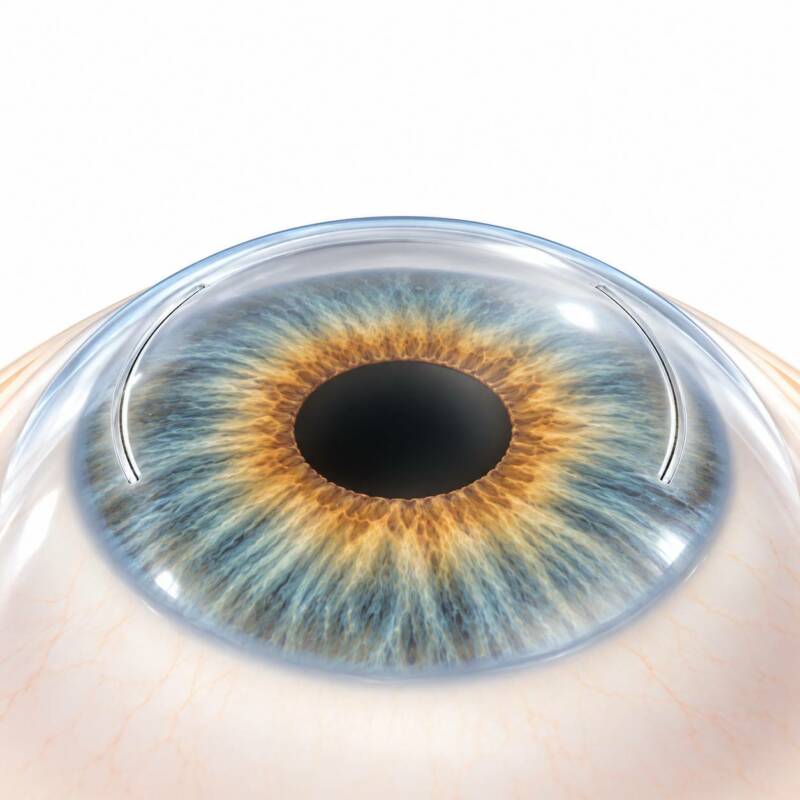
Limbal Relaxing Incisions

LRI (Limbal Relaxing Incisions)

Small incisions near the edge of the cornea let it relax into a rounder shape, reducing mild to moderate astigmatism. Often done along with RLE or cataract surgery.
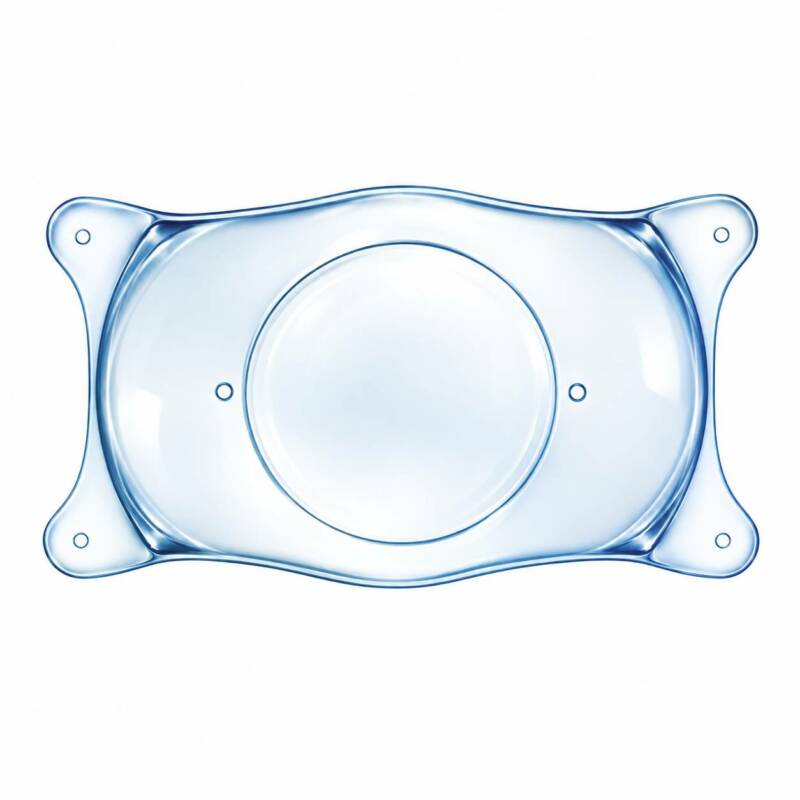
Implantable Collamer Lens

ICL (Implantable Collamer Lens)

An ICL is a thin lens placed inside the eye, between the iris and your natural lens. Nothing is removed from the cornea, which makes ICL an option for high nearsightedness or corneas too thin for LASIK or PRK. Your natural lens stays in place, and the ICL can be removed if needed. Most patients see clearly within a day or two.
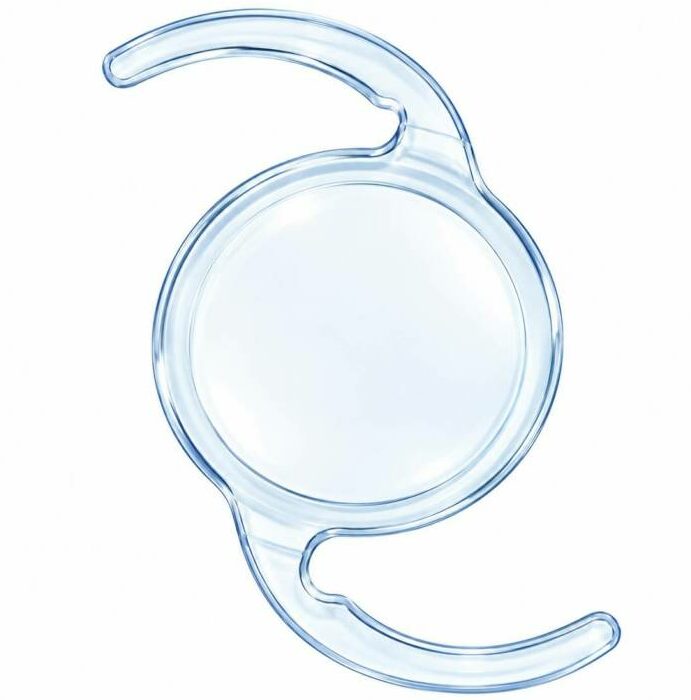
Intraocular Lens

RLE (Refractive Lens Exchange)

RLE, also called clear lens exchange (CLE), replaces your natural lens with an intraocular lens (IOL), the same way cataract surgery does. It's most often considered for patients over 40 or with significant farsightedness. Depending on the lens, it can reduce the need for reading and distance glasses, and you won't develop a cataract later.

Am I a Candidate?

Candidacy comes down to a handful of factors. Your surgeon will check all of them at your consultation.

  • Corneal thickness and shape. Thin or irregular corneas may rule out LASIK. PRK or ICL may still be options.
  • Prescription stability. Your prescription should be stable for at least two years.
  • Age after 40.Laser procedures don’t correct presbyopia, the near-vision change that eventually sends most people to reading glasses. RLE may be a better fit.
  • Dry eye. Existing dry eye can worsen after laser procedures and usually needs to be treated first.
  • Overall eye health. Conditions like keratoconus, cataracts, or untreated glaucoma affect which options are safe.
  • Pregnancy and nursing. Hormonal changes can shift your prescription, so we recommend waiting.

If surgery isn’t the right call, glasses and contacts are still good options, and our optical team can help you find what works.

What to Expect

At your consultation

Before your visit, stop wearing contact lenses for two weeks so we can measure your eyes in their natural shape. Your eyes will also be dilated, so bring sunglasses, and consider having someone drive you home.

At the consultation, a technician will take detailed measurements of your eyes, including the shape and thickness of your cornea. Then one of our surgeons will examine your eyes, go over the results with you, and talk through which options make sense. Plan for about an hour. There’s no obligation to schedule surgery.

On surgery day

You’ll be awake, with your eyes numbed by drops. Most people feel some pressure but little pain. Plan for someone to drive you home. Our surgery coordinator will walk you through preparation, recovery, and follow-up for your specific procedure.

Risks

Common, and usually temporary:

  • Dry eye, especially after LASIK and PRK. It usually improves over several months.
  • Glare, halos, or starbursts around lights at night. These usually fade as the eye heals, but for a small number of people they last.

Less common:

  • Under- or overcorrection. A follow-up procedure can sometimes fine-tune the result.
  • Flap complications with LASIK, or corneal haze with PRK.
  • With RLE and ICL, risks similar to other surgery inside the eye, including infection, inflammation, or increased eye pressure. RLE also carries a small risk of retinal detachment, especially for very nearsighted patients.

Serious, permanent vision loss is rare. Your surgeon will go over the risks that apply to you.

Cost

Refractive surgery is rarely covered by insurance, though some employer benefit programs cover part of the cost, and you can pay with FSA or HSA funds. Pricing depends on your procedure, and one of our refractive surgeons will go over it at your consultation.

Learn more about CareCredit financing.

Am I a candidate?

Find out if LASIK or another vision correction procedure is right for your eyes.

Meet Our Surgeons

Our surgeons combine advanced training with a patient-first approach, taking the time to understand your vision goals and guide you through your options with clarity and care.